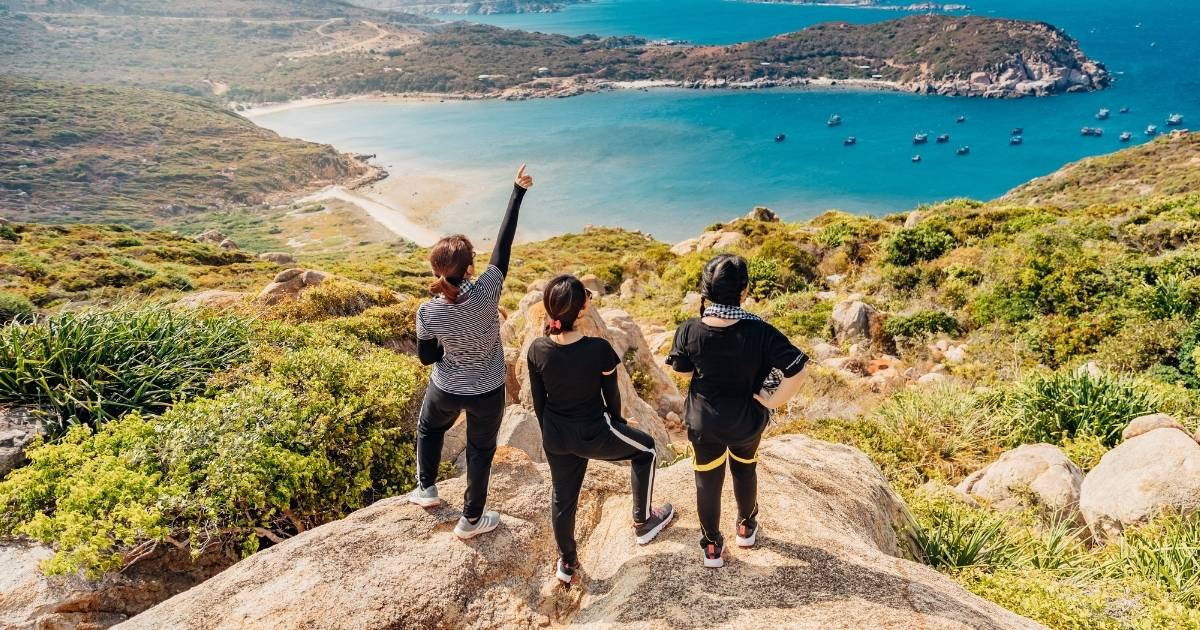
Solo hiking is more than a physical journey — it's a path to self-discovery, resilience, and empowerment. Venturing into the wilderness alone can be freeing and transformative, providing moments of reflection and a deeper connection with nature. However, solo hiking comes with its own set of challenges, which is why thoughtful preparation, awareness, and a clear mindset are essential. Here's everything you need to know before lacing up your boots and heading into the wild on your own.
1. Plan Thoroughly
Every successful solo hike starts with solid planning. Research the trail thoroughly — read recent trek reports, check topographic maps, identify water sources, and learn about wildlife in the area. Understand seasonal changes and how they affect trail conditions. Create a clear itinerary and share it with a trusted contact who can alert authorities if you don’t check in. Also, familiarize yourself with emergency exit points and keep local ranger station contacts handy. A well-planned hike significantly reduces risks and boosts confidence on the trail.
2. Pack Smart and Light
When you’re on your own, your gear is your lifeline. Pack efficiently and prioritize the ten essentials: navigation tools (map, compass, GPS), adequate water and purification methods, high-energy food, layered clothing for warmth, a first aid kit, a lighter or firestarter, multi-tool or repair kit, a reliable headlamp with extra batteries, an emergency bivy or tarp, and sun protection (hat, sunglasses, sunscreen). Avoid unnecessary items that add weight — every ounce counts when you’re carrying it solo. Invest in a comfortable backpack that distributes weight evenly to avoid strain during long hikes.
3. Know Your Limits
Solo hiking demands self-honesty. Assess your physical fitness realistically and choose trails that match your current endurance and skill level. If you're new to solo hiking, start with shorter day hikes before progressing to multi-day treks. Understand your mental limits too — hiking alone can be emotionally intense. Be prepared to face solitude, sudden weather shifts, and physical fatigue. Recognizing when to rest, when to push on, and when to turn back is a key skill that ensures both safety and enjoyment. Remember, solo hiking is not a race — it’s a personal experience that grows over time.
4. Stay Aware and Connected
Situational awareness is vital when you’re hiking solo. Stay alert to your surroundings — listen for changes in sounds, note fresh animal tracks, and watch for subtle shifts in weather patterns. Check your GPS periodically, and use trail markers to avoid getting off-route. While you may not always have cell signal, downloading offline maps or carrying a satellite communicator (like a Garmin InReach) can provide peace of mind. Make it a habit to periodically update your emergency contact, if possible, and establish check-in times during multi-day treks. Awareness is your first line of defense.
5. Trust Your Instincts
Your intuition is a powerful guide, especially when you’re navigating nature alone. If something feels off — whether it’s a sudden drop in temperature, signs of wildlife nearby, or an unusual path feature — don’t ignore it. It’s better to take a cautious approach than to risk an uncertain outcome. Avoid talking to strangers too openly about your solo status, and always camp or rest in secure, visible locations. Over time, you’ll develop a deeper sense of natural cues and decision-making that only solo adventuring can cultivate. Confidence built through intuition can be one of your strongest hiking assets.
Solo hiking is deeply rewarding, offering unmatched freedom, clarity of thought, and personal growth. The silence of the woods, the rhythm of your footsteps, and the breathtaking views from a summit you reached alone — these are experiences that stay with you forever. But they’re best enjoyed with preparation, respect for nature, and a balanced mindset. At Go-Trekker, we support solo adventurers with expert trail guides, gear checklists, safety advice, and planning resources to ensure every solo trek is both safe and unforgettable. Embrace the journey — one step at a time, on your own terms.